When combining multiple tracks in DTM production, you may run into a sound you like that just does not blend with the other tracks. This article explains how to use distortion effects to create a sense of unity. Applying distortion evens out the grain of the attack and changes the frequency characteristics, improving how tracks blend together. It can be applied not only to guitar but to many sources, such as bass, drums, and vocals, and is easy to do with plug-ins included with your DAW, such as overdrive and distortion. The keys are setting an appropriate amount and correcting with EQ.
When a Sound Won't Blend with the Other Tracks
When producing a song, there are times when you like a sound,
but it just does not blend with the other tracks.
There are various causes and solutions, but one quick fix is
to distort the sound.
When you hear "distortion," the first thing that comes to mind is the electric guitar.
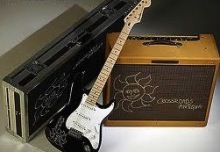
But distortion is not the exclusive privilege of guitar.
It can be applied to all kinds of sounds, from bass, of course, to drums, vocals, and sound effects.
Distorting a sound evens out the grain of the attack and changes its frequency characteristics,
which is why it blends better with the other tracks.
How Do You Distort a Track?
DAW software comes with plug-ins such as overdrive, distortion,
and guitar amp simulators.

Just insert one on the track.
Points to Note When Distorting with Effects
- Keep blending in mind and do not apply too much distortion.
Otherwise, the attack disappears and the sound gets buried in the mix instead. - After distorting, correct the tone with EQ.
The lows and highs in particular tend to decrease. - Besides helping sounds blend, it is also often used when you want a bit more punch
or want to deliberately dirty up a sound that is too clean.
Try various settings and combinations to pursue your own distortion style!!
Frequently asked questions
Q1. What should I be careful about when using distortion effects?
Distorting too heavily loses the attack and buries the sound in the mix, so moderate settings focused on blending are important. Correcting the lows and highs with EQ after distortion is also effective for shaping the tone.
Q2. Can distortion effects be used on instruments other than guitar?
Yes. They can be applied to many sources, such as bass, drums, vocals, and sound effects. They serve many purposes, from unifying the whole song to adding punch.
Q3. What if my DAW does not include distortion effects?
Most DAW software includes overdrive, distortion, guitar amp simulators, and similar effects as standard. Just insert one on a track to use it.
NEW ARTICLES
Latest English Articles