This blind listening test compares five AI mastering tools—eMastered, iZotope Ozone, LANDR, Munute and Waves Online Mastering—with a working mastering engineer, first using plug-ins alone and then combining them with outboard equipment. The original reviewers valued AI's cost and speed, while preferring the detail and warmth of the engineer's hybrid example. These are impressions of this particular test, not a universal ranking. Originally published in February 2024, this article records the services, plans and prices available at that time; current availability and terms may differ.
Was AI mastering already practical in this test?
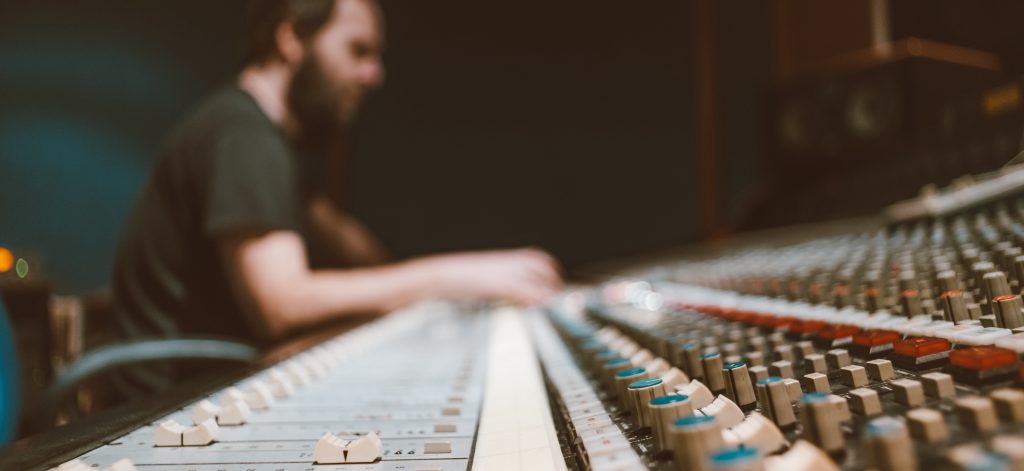
AI audio services have become a frequent topic in music production.
This time, we focus on tools used for the final stage of a track: AI mastering services. That is the subject of this comparison.
We compare five AI mastering tools with a working mastering engineer in a blind listening test.
Will you hear a difference? Listen to the examples and decide for yourself.
Video: AI Mastering vs. a Mastering Engineer
Sponsor: Introducing Munute

This comparison was made possible by Munute, the AI mastering service. Its support made the original comparison possible.
Its mastering was described in the original test as very fast, with support for processing many tracks across different genres. That was one of its selling points.
The original offer included up to three free masters per month. This is the historical February 2024 offer, not confirmation of current availability. Check current terms before signing up.
Comparing the sounds
Let's compare the different versions.
Our guest mastering and sound engineer for this project was Tomomi Aibara, who runs Winns Mastering.
We mix Aibara's master in with versions from the following AI mastering tools for a blind test.
- 1. eMastered
- 2. iZotope Ozone
- 3. LANDR
- 4. Munute (the project sponsor)
- 5. Waves Online Mastering
First, listen to the track before mastering.
Before mastering
Before mastering
This is a vocal track with a relatively small number of tracks in the arrangement.
The mastered versions are labeled A through F.
Try to identify which of A–F was mastered by Aibara.
For this first comparison, Aibara was asked to use plug-ins only.
Master A
Master A
Master B
Master B
Master C
Master C
Master D
Master D
Master E
Master E
Master F
Master F
What did you think?
Listening side by side may have helped you hear the differences.
The answers are in the “Blind test answers” section below.
What about a version using outboard equipment?
For the first test, Aibara was limited to plug-ins. But what would the track sound like using the setup normally used for mastering?
We also asked for a version combining plug-ins with outboard equipment.
- Outboard equipment + plug-ins
Outboard equipment + plug-ins
To the original reviewers, this version sounded detailed and warm.
They found it comfortable to listen to and felt it differed clearly from the AI examples. These are subjective impressions of these particular versions.
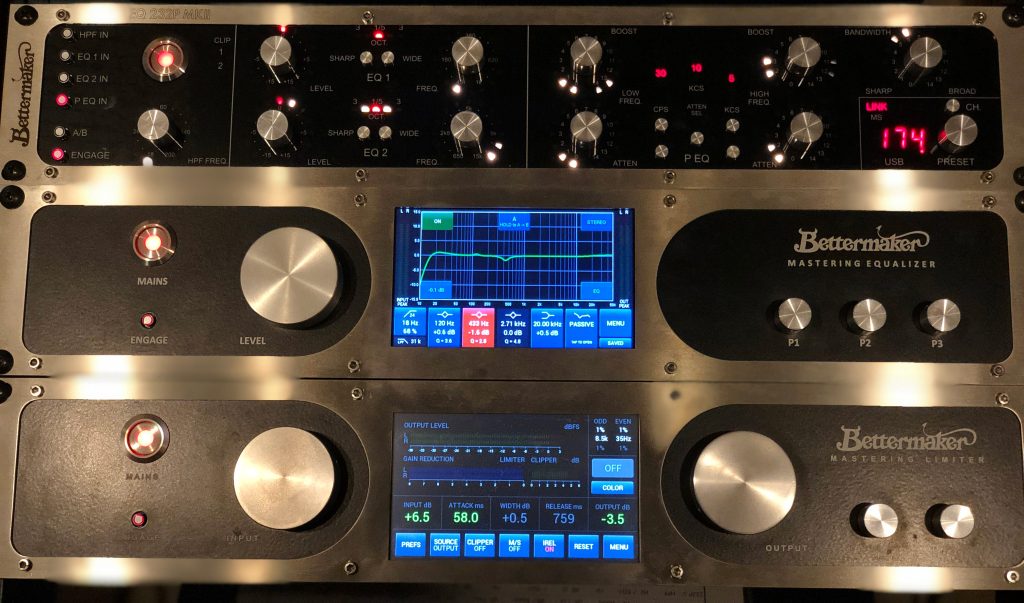
The outboard setup was built mainly around Bettermaker products.
Aibara explained that, after trying many pieces of equipment, their sound made an immediate impression.
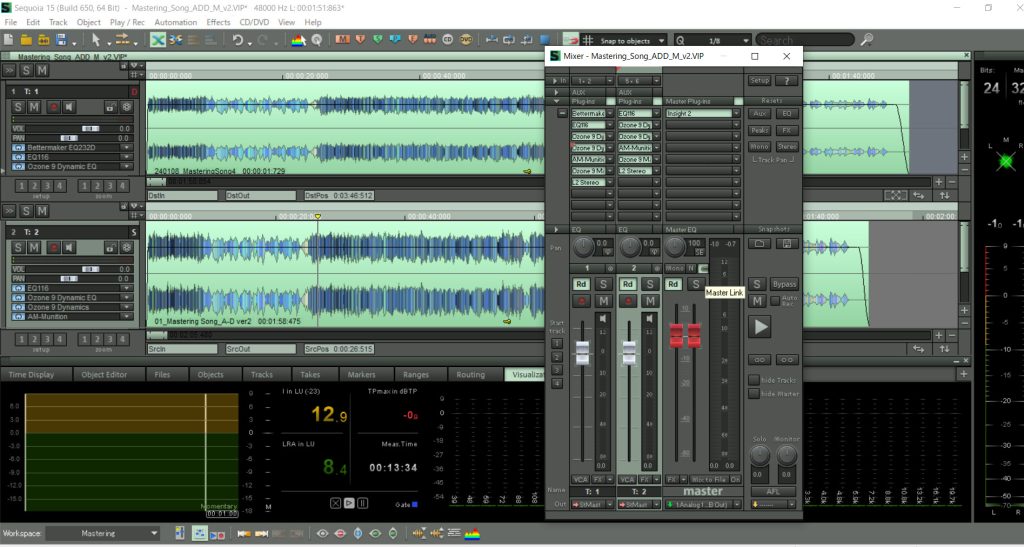
SEQUOIA is installed as the mastering software.
Blind test answers
Here are the identities of the different versions.
We have included each audio example again for comparison.
A – eMastered
A – eMastered
- Listed in the original February 2024 comparison: US$29.25/month, or approximately US$13/month with an annual commitment.
- Among the tools compared, it offered the most detailed adjustment options, with a high degree of customization.
B – Munute (the project sponsor)

B – Munute (sponsor)
- Original February 2024 pricing: free to US$13/month; the free account was described as including up to three masters per month.
- The original comparison highlighted its low price, fast processing and detailed information about the audio before and after processing.
- Its fully automatic processing made it accessible to users without mastering knowledge. The reviewers were impressed by the resulting sound in this test.
C – Aibara's master
C – Aibara
Details of the processing appear below.
D – LANDR

D – LANDR
- Original February 2024 Studio pricing: ¥1,340/month on a monthly plan, or ¥800/month with an annual commitment.
Original Pro pricing, including options such as plug-ins: ¥2,680/month on a monthly plan, or ¥1,680/month with an annual commitment. - Samples, plug-ins and other extras offered support for a broader production workflow.
- An early entrant into AI mastering, LANDR was praised for its quality in the original comparison.
- Original February 2024 pricing: US$5.99 for one track, or US$59.99 for 15 tracks.
- Features included reference tracks, sound styles and tone settings.
- It was a recently launched service at the time, and the article looked forward to its further development.
- Original February 2024 listed prices: Standard ¥31,100 / Advanced ¥62,399.
- A well-known AI-assisted mastering plug-in.
- Alongside automatic processing, it allowed manual adjustment, with modules usable as plug-ins in a DAW in the edition described.
E – Waves Online Mastering
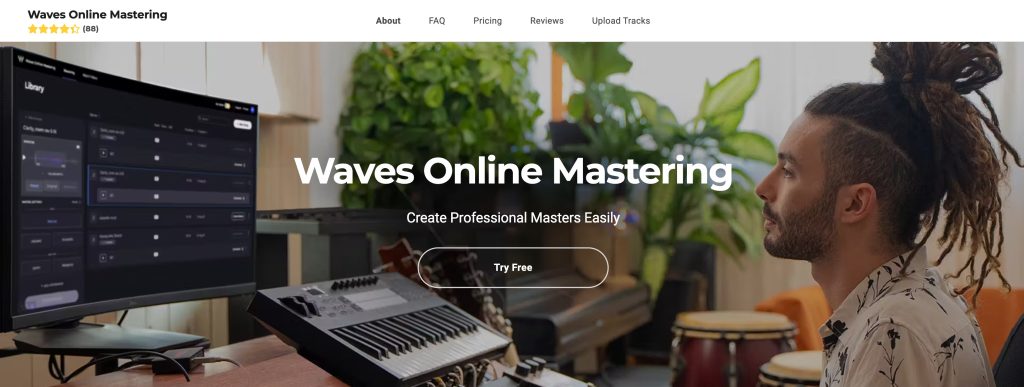
E – Waves Online Mastering
F – iZotope Ozone
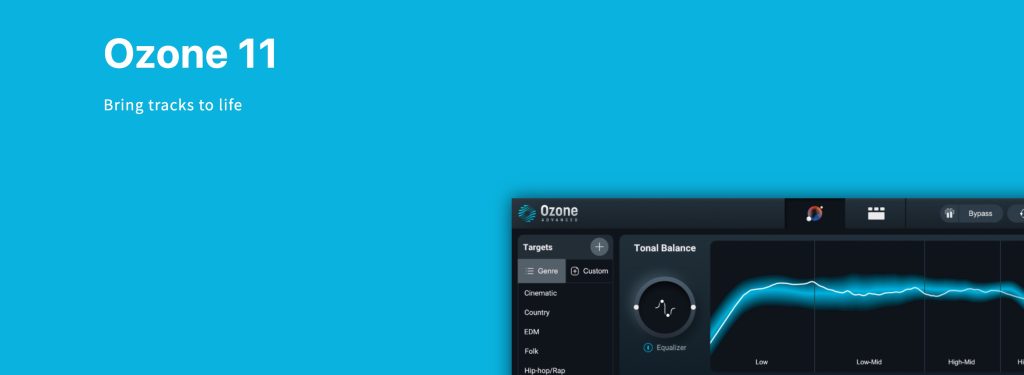
F – iZotope Ozone
Aibara's processing
What processing did Aibara actually use?
Screenshots were provided to show the approach.
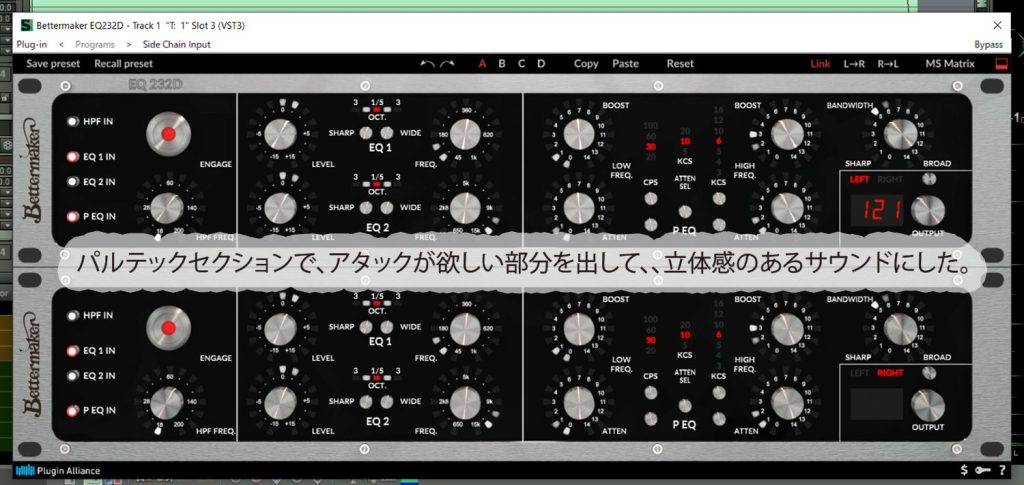
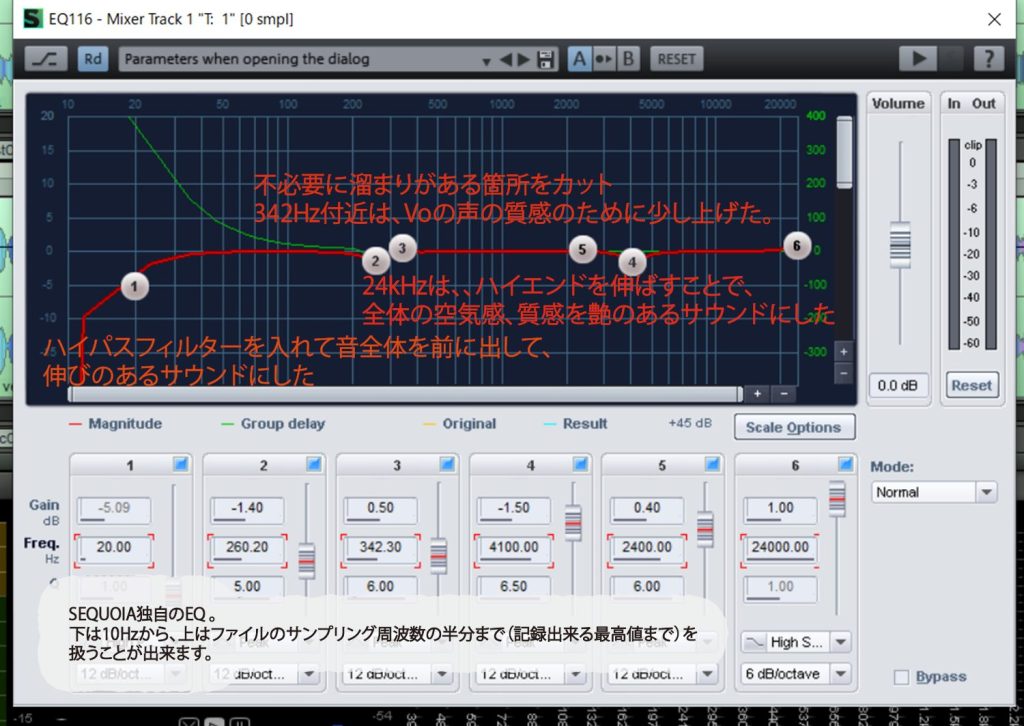
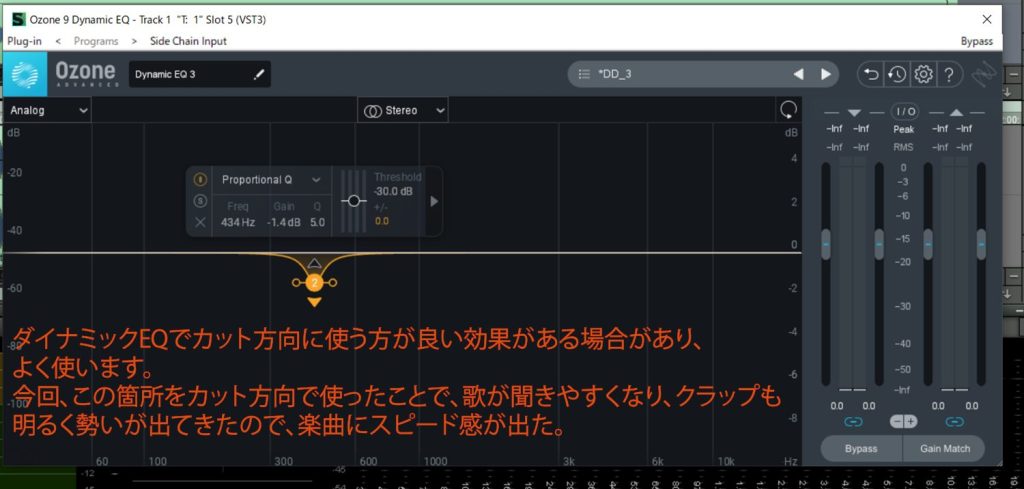
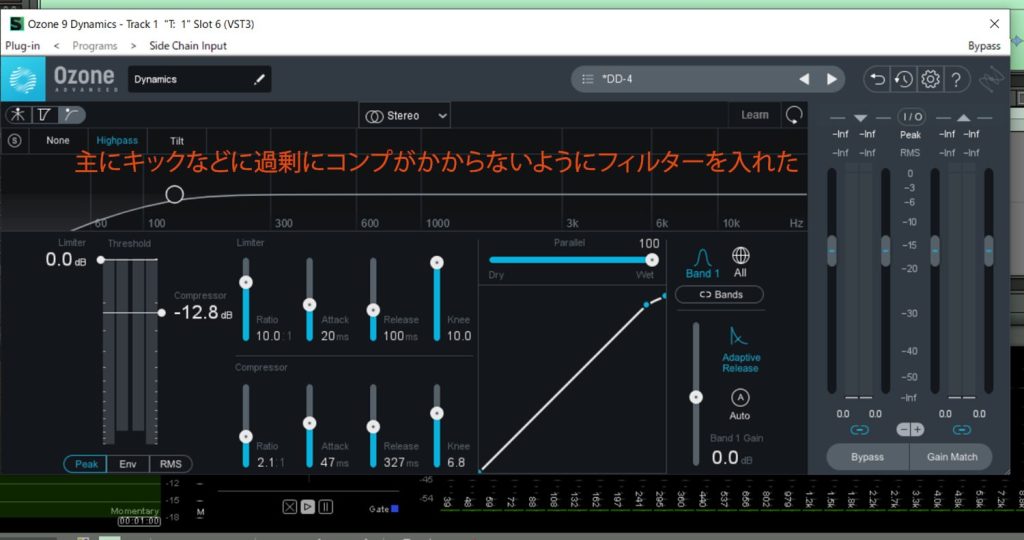
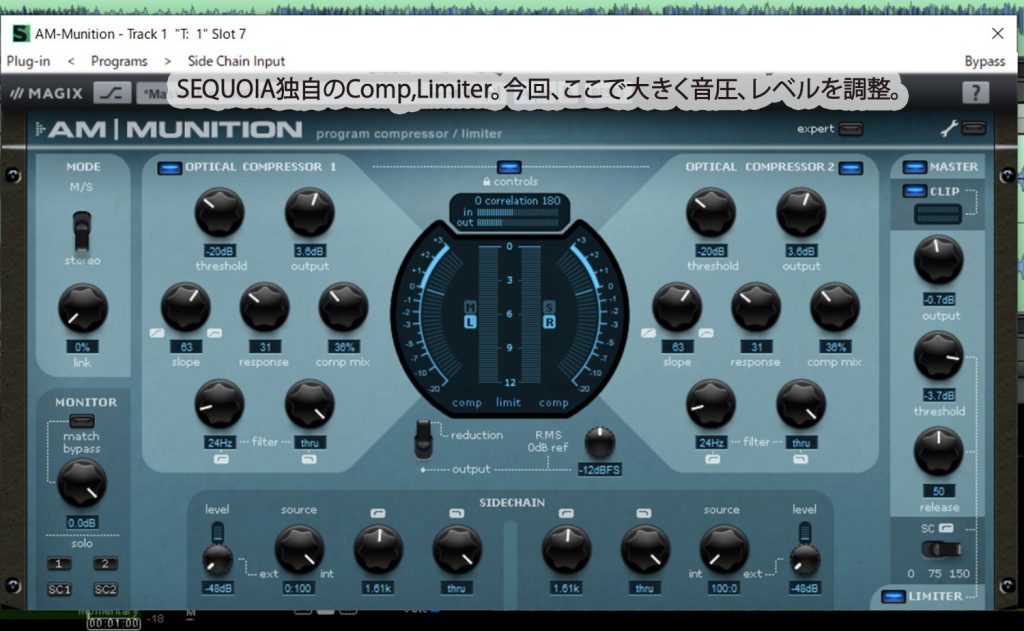
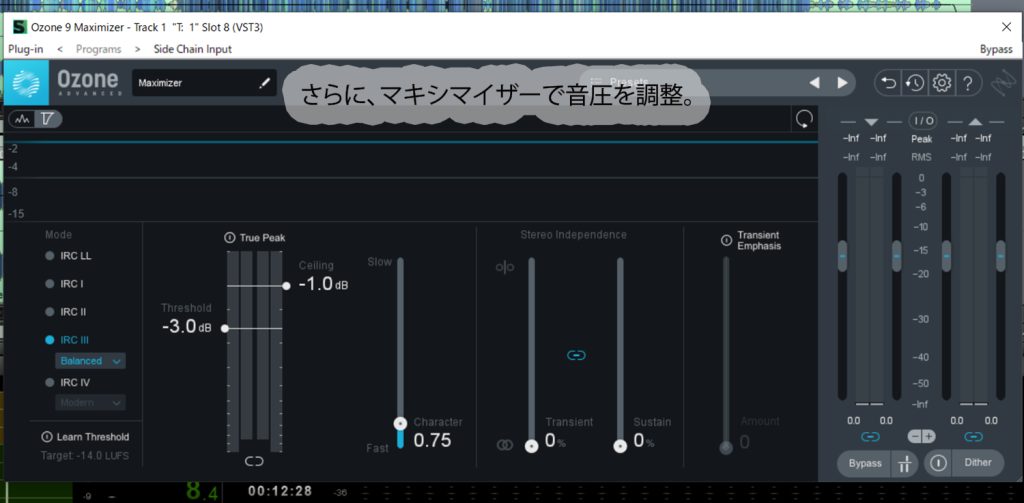
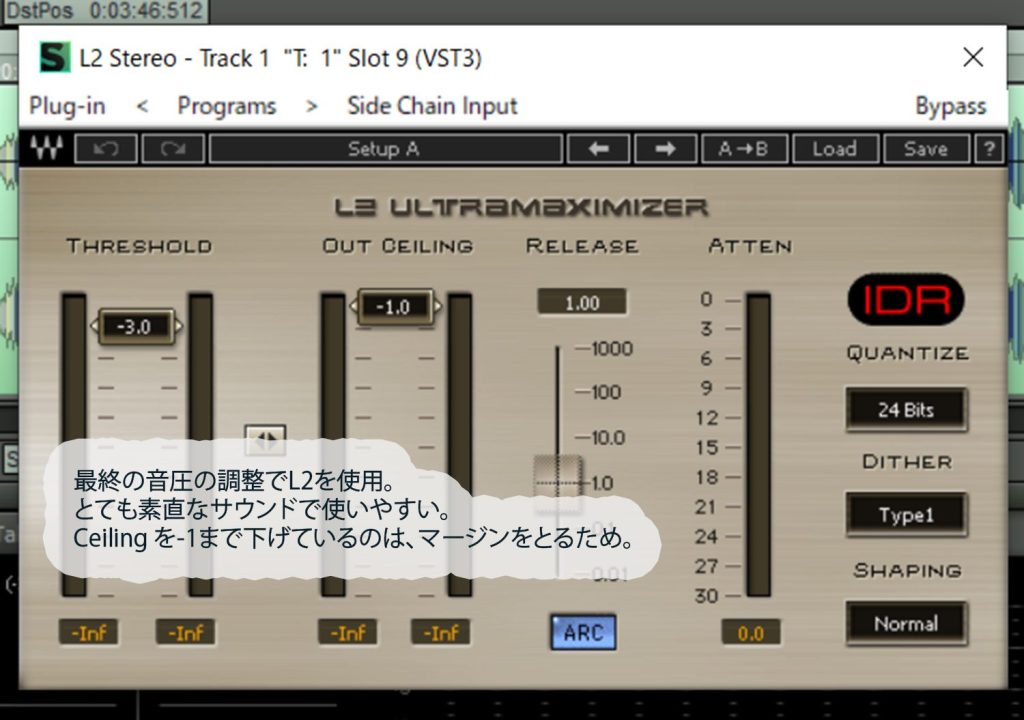
The screenshots show how detailed the processing was.
Each step had a clear purpose, and the original reviewers felt that these decisions were reflected in the sound.
Closing thoughts
What did you think?
The blind comparison left us impressed with the quality of the AI tools in this test.
One clue that helped the original reviewers identify the engineer's version was its clear focus on the parts meant to stand out, such as the vocal and lead.
They felt that interpreting the track's nuances and shaping the result was a distinguishing strength of the engineer's approach.
We used a vocal song with a relatively small arrangement. Results can vary by genre and material, so try suitable services with your own music as well.
About Tomomi Aibara
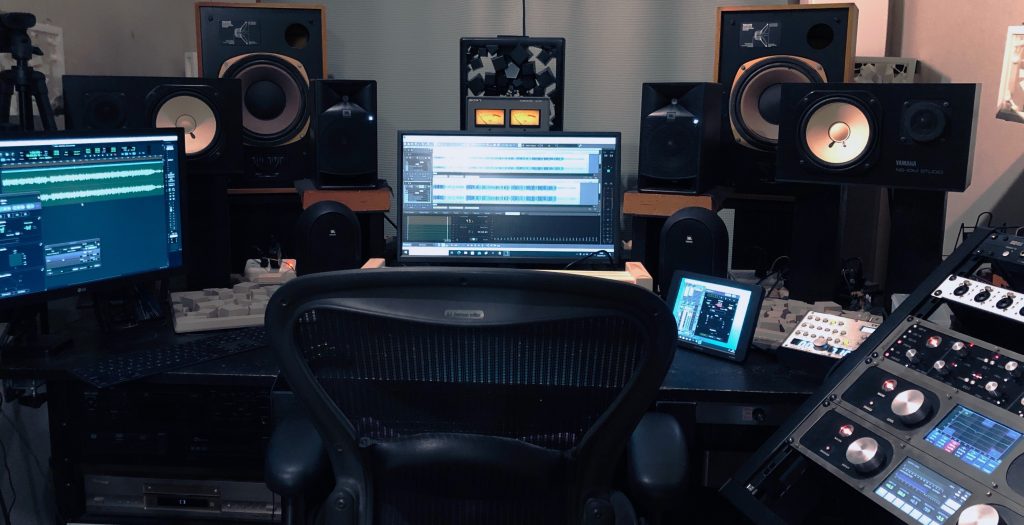
Aibara began a career as a mastering engineer at Harion Mastering Studio in 1995.
After becoming independent, Aibara founded An's Sound with colleagues and built a mastering and recording studio in Shibuya.
Aibara became independent in 2014, worked through Saidera Mastering, then opened a personal mastering studio in Ikuta in 2017.
Mastering work covers a wide range of genres, from jazz and classical music to anime songs and rock.
Selected credits include ASKA, Keiko Matsui, Norie Suzuki, May Inoue and LEN.
Aibara worked on mastering for the Blu-ray “ASKA featuring DAVID FOSTER PREMIUM CONCERT 2023,” released on January 17, 2024.
Work also includes classical recording in concert halls and live recording, with technical-engineering and assistant-engineering roles on classical recordings in Slovakia and Macau.
For soprano Seirei Saito's “Francis Poulenc exquise mauvaise mélodies,” Aibara handled recording through mastering.
Spatial-audio credits include Atmos music mastering for rock-opera band Lacroix Despheres' “Resurrection Symphony” and Yukiko Isomura's “Musical Echoes” (released in China).
The original February 2024 profile also described a first self-produced spatial-audio project released the previous year: Iannis Xenakis' “Rebonds,” with help from Professor Kamekawa of Tokyo University of the Arts.
Winns Mastering Visit the website
Aibara's note page
Sponsor: Introducing Munute
This project was sponsored by Munute, the AI mastering service. Its support made the original comparison possible.
Its mastering was described in the original test as very fast, with support for processing many tracks across different genres. That was one of its selling points.
The original offer included up to three free masters per month. This is the historical February 2024 offer, not confirmation of current availability. Check current terms before signing up.
Frequently asked questions
Q1. Is AI mastering practical?
The reviewers found the AI examples in this test usable, particularly eMastered, LANDR and iZotope Ozone. They preferred the warmth and detail of the engineer's hybrid example, but that is a subjective result from one track, not a universal limit of AI or plug-ins. Choose according to your material, purpose and budget.
Q2. Which AI mastering service did the article recommend for beginners?
The original article recommended sponsor Munute for its automatic workflow, the then-available three free masters per month and a paid plan around US$13/month. These are historical February 2024 terms, not a current recommendation or availability guarantee.
Q3. What did the engineer use for the hybrid master?
Aibara combined plug-ins with outboard equipment, mainly Bettermaker, and SEQUOIA mastering software. The reviewers liked the warmth and detail of that example. This comparison does not establish that professional results require outboard gear or that plug-ins alone are inherently inadequate.
Q4. Which plans did the article highlight for mastering multiple tracks?
The original comparison listed LANDR from ¥800/month with an annual commitment, with samples and plug-ins supporting a wider workflow. It also highlighted Munute's then-available free allowance and low-cost monthly plan for multiple tracks. These are historical February 2024 prices and features; current plans and availability must be checked separately.
NEW ARTICLES
Latest English Articles